
 23 & 24
 SEPTEMBER 2026
 23 & 24
The Belgian plastics recycling sector is facing an existential challenge. While Europe is setting ambitious circular economy targets, the very sector responsible for achieving these goals is at risk of disappearing. The causes are structural: low prices for virgin plastics due to global overcapacity, increasing imports of cheap and insufficiently traceable recycled plastics from third countries, and high energy and labour costs in Europe.
The result is a paradox: today, there is insufficient demand for recycled plastics to keep the sector economically viable, while tomorrow an acute capacity shortage threatens to emerge. The export ban on plastic waste to non-OECD countries (21 November 2026) and the obligation to include recycled content in packaging and vehicles (PPWR/ELV from 2030) create a dangerous four-year gap, precisely at a time when the sector is already under severe pressure. Since 2023, nearly 1 million tonnes of recycling capacity have already been lost in Europe. Belgium is also facing the risk of bankruptcies and job losses.
Denuo is launching a concrete action plan based on four pillars: creating guaranteed market demand through mandatory recycled content requirements; restoring fair competition through energy compensation measures and import duties on virgin plastics; expanding sorting and recycling capacity; and building a strong lobbying coalition at Belgian and European level.
Plastic recycling is not a waste issue. It is a raw materials challenge and a strategic choice for the future of Belgian and European industry.
 Olivier Deweerdt
Senior Advisor, Denuo
Olivier Deweerdt
Senior Advisor, Denuo
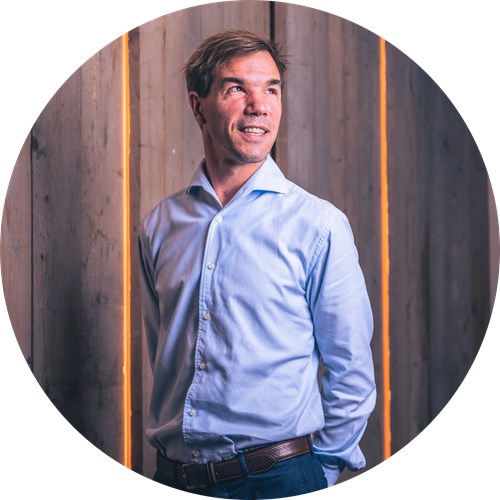 Tore Content
Senior Policy Advisor, Denuo
Tore Content
Senior Policy Advisor, Denuo
 Eline Persyn
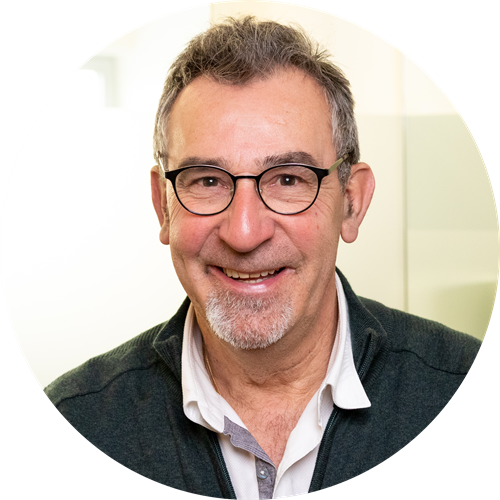 Geert Denutte
Founder, CGK-Group
Geert Denutte
Founder, CGK-Group
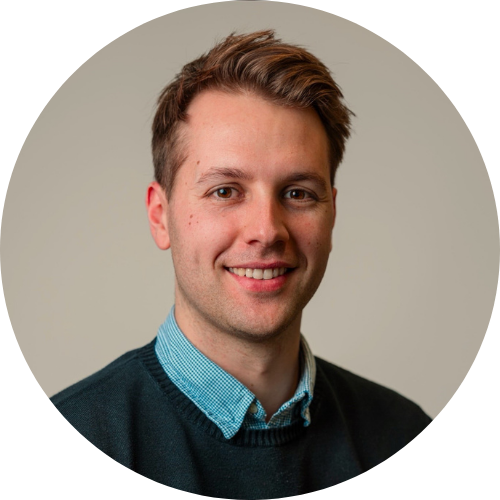 Cédric Dhaene
Business Advisor, VLAIO
Cédric Dhaene
Business Advisor, VLAIO
Cédric Dhaene
Business Advisor, VLAIO
Cédric Dhaene
Business Advisor, VLAIO
Cédric Dhaene
Business Advisor, VLAIO
Cédric Dhaene
Business Advisor, VLAIO
Cédric Dhaene
Business Advisor, VLAIO
Cédric Dhaene
Business Advisor, VLAIO
 Brecht Demedts
Researcher at Centexbel
Brecht Demedts
Researcher at Centexbel
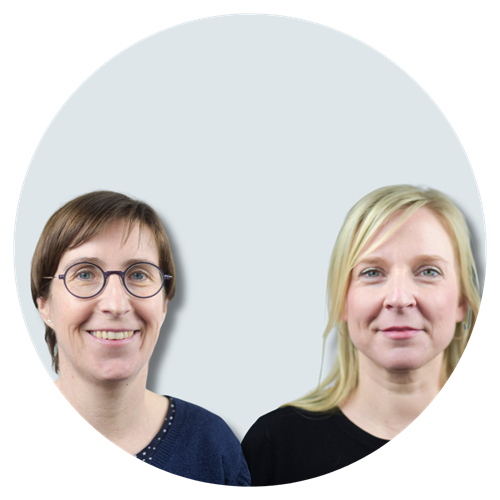 Isabel De Schrijver
 Arthur Demaeght
Sr project engineer civil, BM Engineering
Arthur Demaeght
Sr project engineer civil, BM Engineering
 Emile Vandeburie
Researcher, Vives
Emile Vandeburie
Researcher, Vives
 Bart Deltour
 Jerry Ickmans
Commercial Director, Out of Use
Bart Deltour
Jerry Ickmans
Commercial Director, Out of Use
Bart Deltour
 Jan Arends
Manager Industrial Innovation, CAPTURE
Jan Arends
Manager Industrial Innovation, CAPTURE
 Els Fonteyne
Circular Economy Expert, Agoria
Els Fonteyne
Circular Economy Expert, Agoria